Ecosystem and Wildlife
Ecosystem and Wildlife
Ecosystem
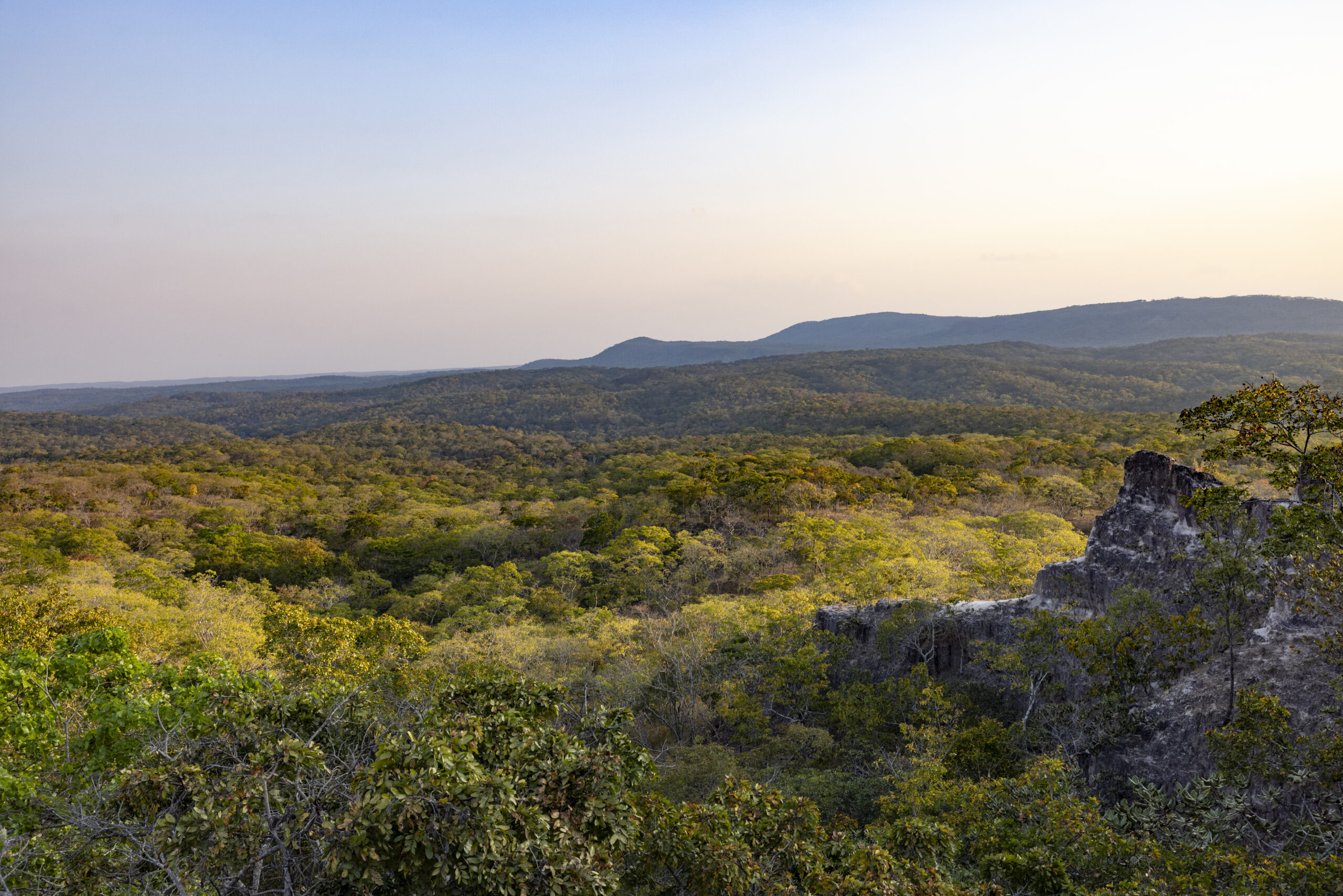
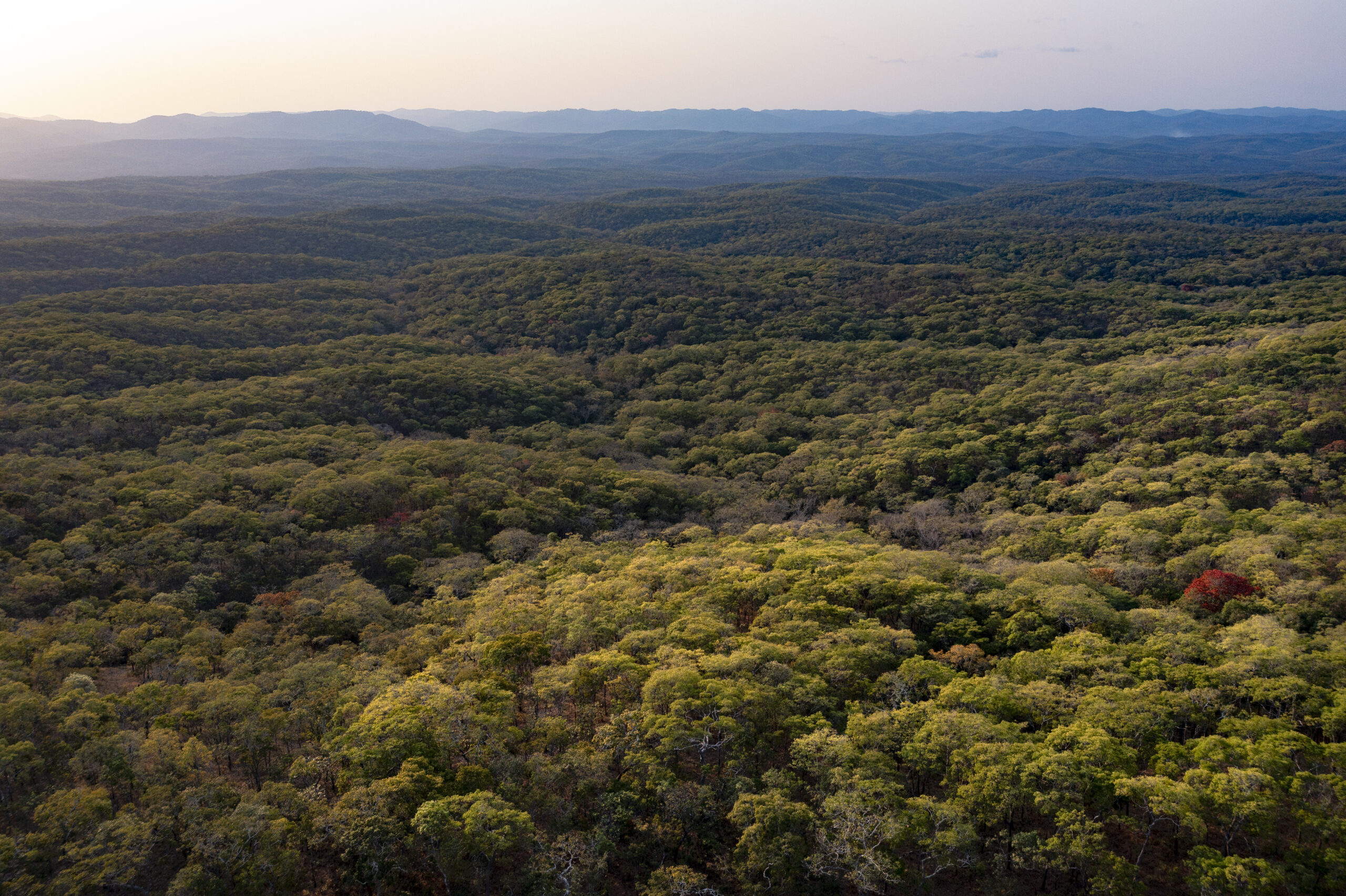
MBOMIPA Wildlife Management Area lies within the greater Ruaha Ecosystem, one of East Africa’s most important and diverse natural landscapes. This ecosystem is characterized by a rich mosaic of habitats, including open savannah grasslands, miombo woodlands, seasonal wetlands, and riverine forests that support a wide variety of wildlife species.
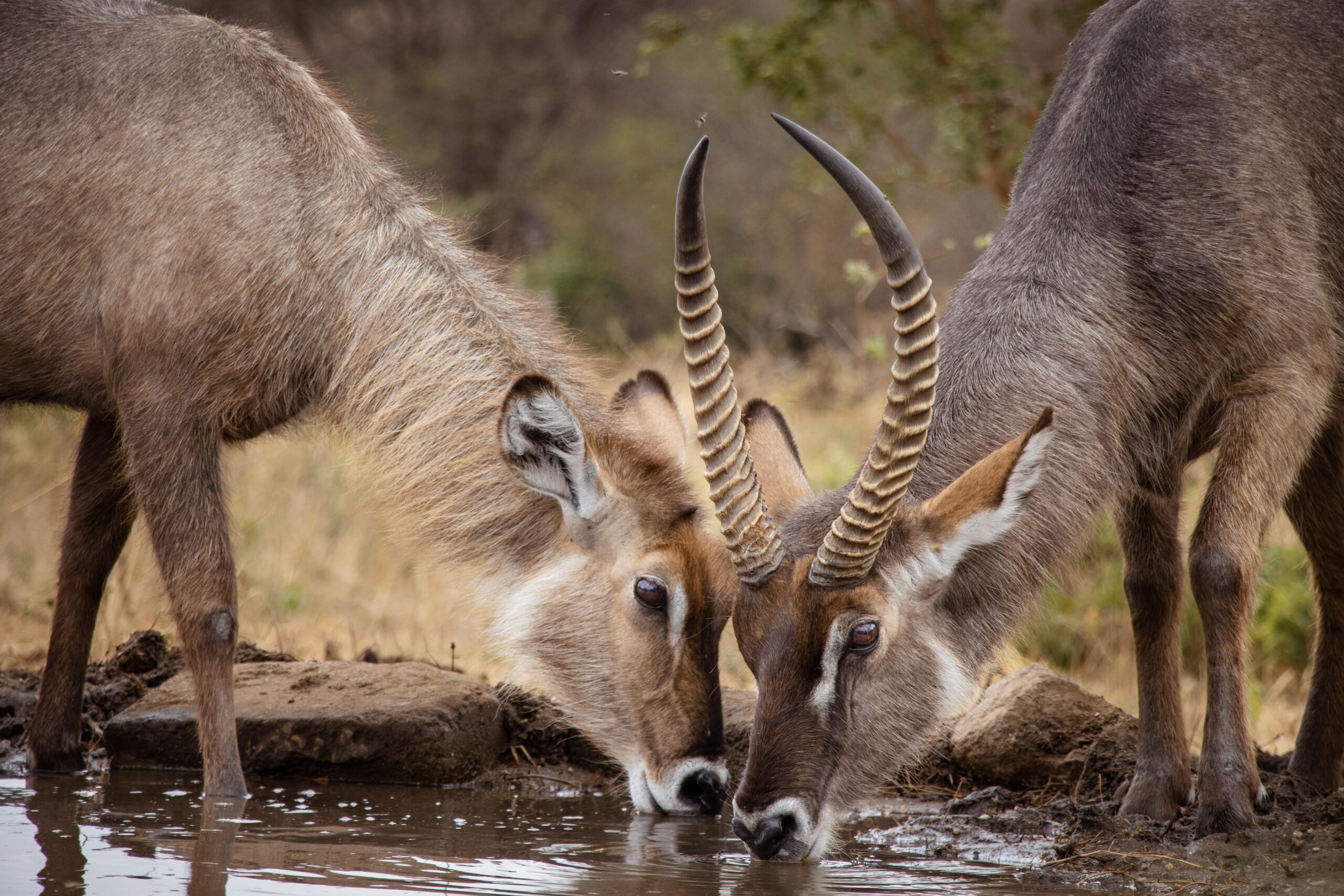
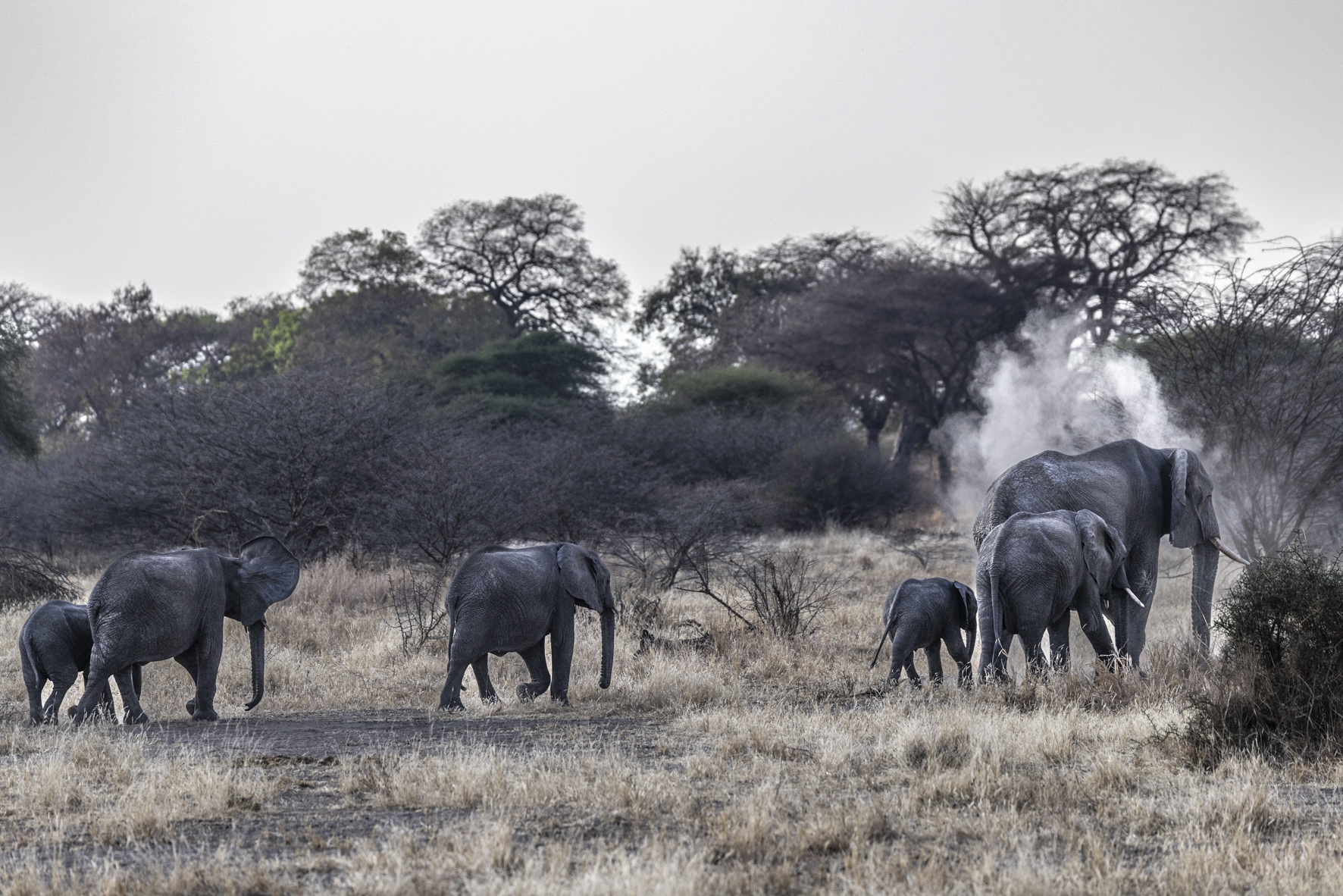
A defining feature of the landscape is the presence of the Great Ruaha River, which serves as a critical water source for animals, especially during the dry season. The river and its surrounding habitats attract large populations of elephants, lions, antelopes, and numerous bird species, making the area ecologically significant.
The miombo woodlands that dominate much of MBOMIPA provide essential shelter and food for wildlife, while also playing a key role in maintaining ecological balance. These woodlands are interspersed with open plains and scattered baobab trees, creating a visually striking and biologically productive landscape.
As part of the broader Ruaha landscape, MBOMIPA WMA functions as an important wildlife corridor, allowing animals to move between protected areas such as Ruaha National Park and surrounding community lands. This connectivity is vital for maintaining healthy wildlife populations and ensuring long-term conservation success.
Through community stewardship, MBOMIPA helps protect this unique ecosystem while promoting the sustainable use of natural resources, ensuring that both wildlife and local communities continue to thrive together.
Wildlife species
MBOMIPA Wildlife Management Area, part of the greater Ruaha Ecosystem, is home to a rich diversity of wildlife species that are vital for both biodiversity conservation and tourism. Its varied habitats, ranging from savannah plains to miombo woodlands—create ideal conditions for many iconic African animals.
Large mammals are among the most prominent species found in the area. These include African elephants, which move across the landscape in search of water and forage, as well as powerful predators such as lions and leopards that play a crucial role in maintaining ecological balance. The presence of these predators is a strong indicator of a healthy ecosystem.
Herbivores are equally abundant and form the backbone of the food chain. Species such as giraffes, zebras, buffaloes, impalas, and kudu are commonly seen grazing across the plains and woodlands. These animals not only support predator populations but also contribute to shaping the vegetation and overall ecosystem structure.
Smaller yet equally important species, including warthogs and a wide variety of birdlife, add to the ecological richness of MBOMIPA. The area supports numerous bird species, making it attractive for birdwatching and highlighting its importance as a habitat for both resident and migratory birds.
Together, these species make MBOMIPA WMA a vibrant and ecologically significant landscape, where wildlife thrives under community-based conservation efforts while also supporting sustainable tourism and local livelihoods.